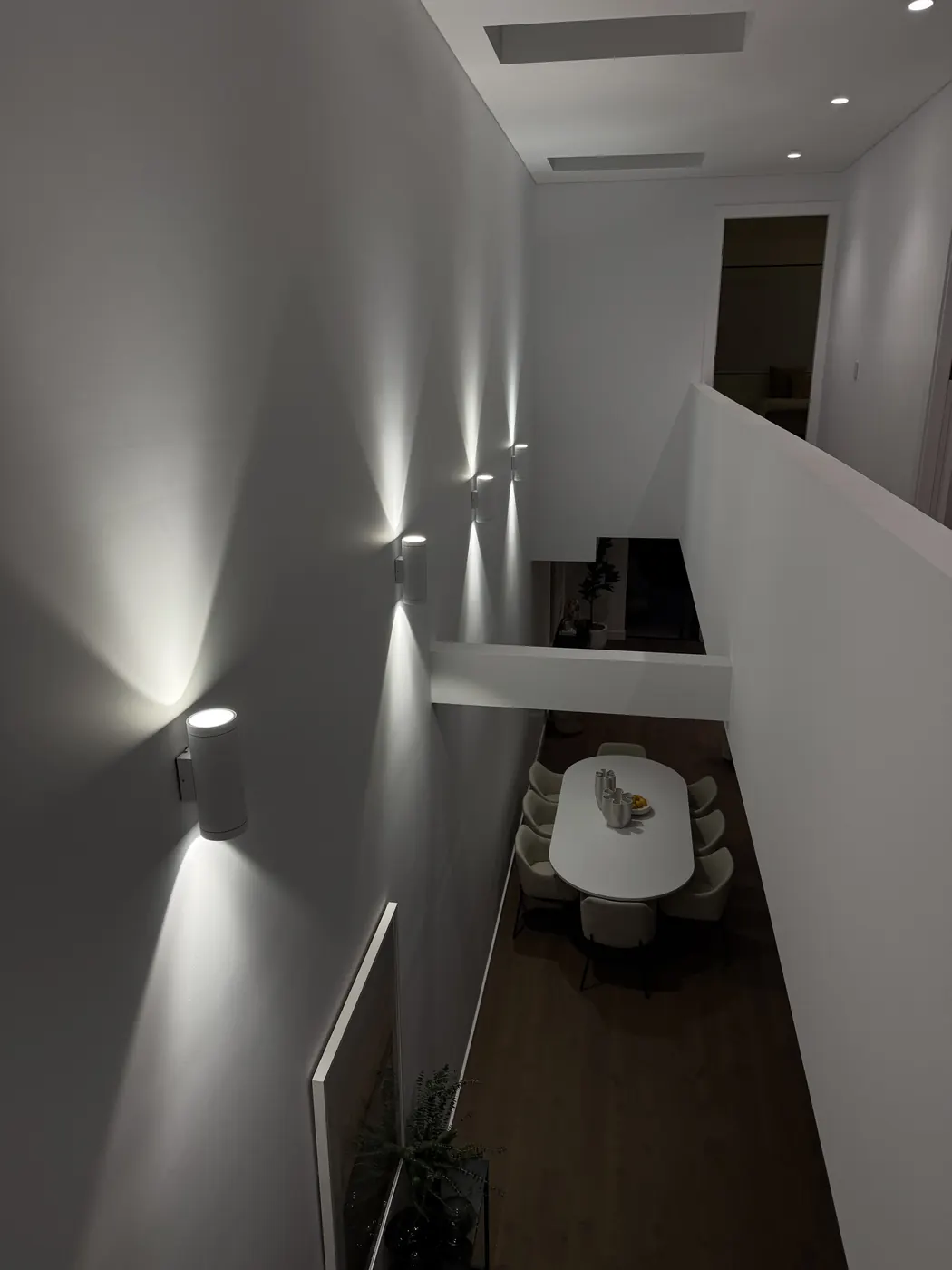
Downlights and LED lighting
Halogen-to-LED conversions, dimmers matched to the fittings, and outdoor lighting chosen to cope with salt air.
Halogen to LED — worth doing properly
Original halogen downlights cause three problems at once. They run hot enough to be a real fire risk where insulation is nearby, they use around ten times the power of an equivalent LED, and their transformers fail one after another as they age.
Changing over is more than swapping globes. Current IC-4 rated fittings are designed to have insulation in contact with and over them, so the insulation that was cut back around each old halogen can finally go back where it belongs.
The ceiling itself decides a lot here. In many inter-war and postwar apartment blocks the ceiling is a concrete slab, so recessed downlights simply aren’t an option without a new bulkhead — surface-mounted fittings or wall lights are usually the better answer. In Victorian and Federation terraces, original plaster ceilings with cornices and centre roses deserve a second thought before anyone starts cutting holes; pendants and wall lights can light a room just as well without touching the plasterwork.
Dimming that behaves
Most LED dimming complaints come down to a mismatch between the dimmer and the driver. An older leading-edge dimmer built for halogen will flicker, hum or refuse to go low with LEDs on it.
We match the dimmer to the fittings rather than hoping. If your lighting runs on Clipsal C-Bus, the same problem shows up as lights glowing or flickering when they should be off — that’s a C-Bus dimmer issue, and one we fix all the time. Planning smart control later? Say so now, because it changes the wiring.
Lighting questions
What does LED downlight installation cost?
That depends on whether it’s a straight swap into existing holes or new positions needing cable and ceiling access. Tell us how many and whether they’re existing, and we’ll give you a fixed price. Our cost guide has the detail.
Can you put downlights into a concrete ceiling?
Not recessed, unless there’s a bulkhead or a new false ceiling to hide them in. In most slab-ceiling apartments, surface-mounted fittings, track lighting or wall lights give a better result for less disruption.
Why do my LEDs flicker when dimmed?
Nearly always the dimmer. A leading-edge dimmer made for halogen doesn’t suit most LED drivers, and swapping it for a matched trailing-edge type usually fixes it.
What outdoor lights hold up near the beach?
Fittings with a proper IP rating, sealed glands and marine-grade stainless or suitable powder coat. Cheap aluminium and plain steel fixings corrode quickly in salt air — they look fine for a summer, then fail.
Can insulation go over my downlights?
Only if the fittings are rated for it. IC-4 fittings are built for insulation in contact and over the top. Old halogen fittings aren’t, and covering them is a fire risk.
What downlights cost
Priced per light, because that’s how the job really scales.
| The job | Price |
|---|---|
| Replace a halogen downlight with LED — existing openingInstall only, you supply the fittings | $60 – $110 each |
| Standard LED downlight, supplied and installedIC-4 rated, insulation can sit over it | $80 – $130 each |
| Premium LED downlight, supplied and installedBetter colour rendering, smoother dimming and a longer warranty | $100 – $160 each |
| Whole-home conversion, 8–10 downlightsA typical apartment or small house | $700 – $1,000 |
| New downlight positionsNew openings and cable runs, priced on ceiling access | from $130 each |
These are indicative market ranges for Sydney in 2026, not a quote. What you pay depends on your switchboard, access and what we find. We confirm a fixed price before starting, and it doesn’t move.
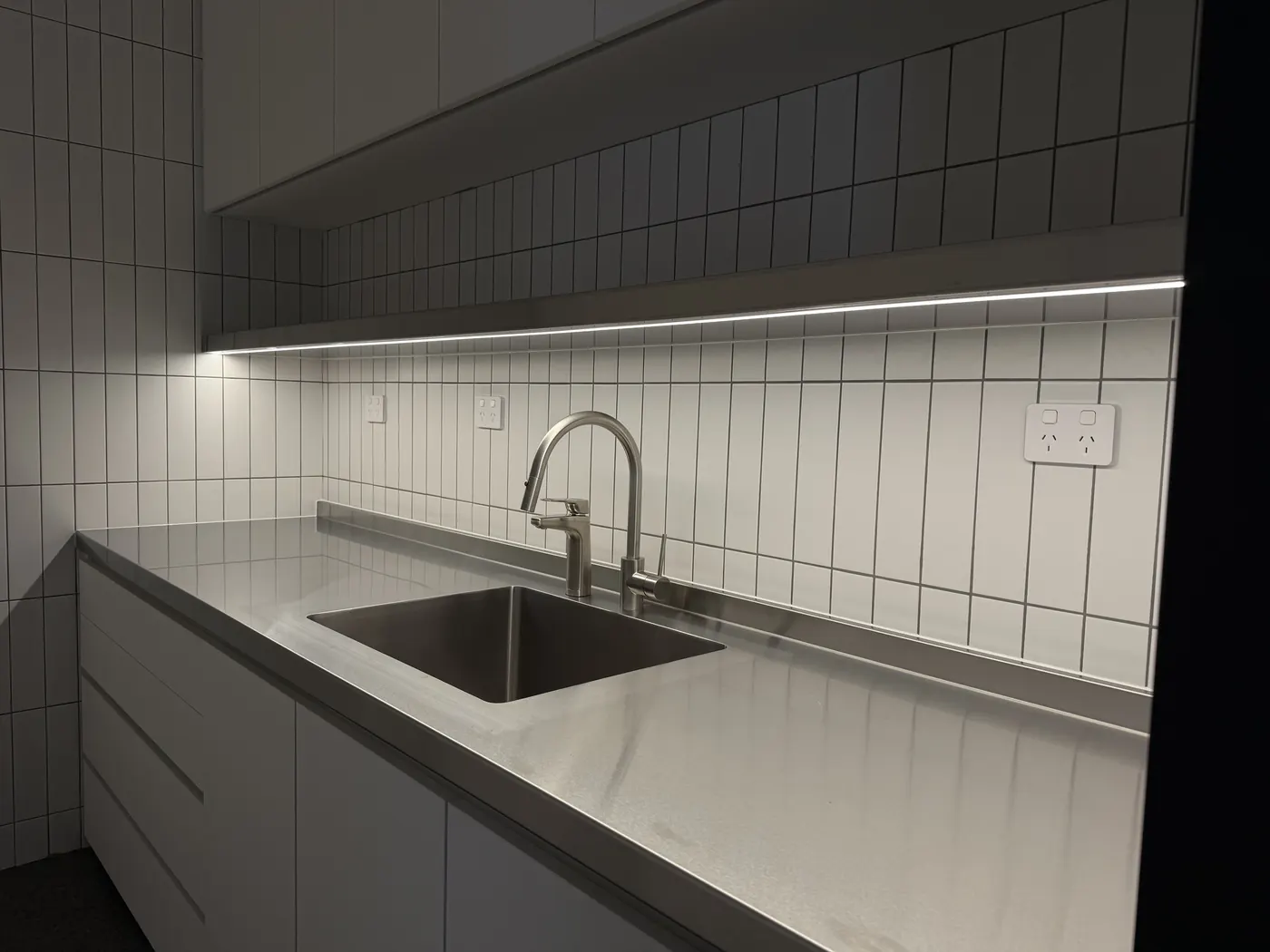
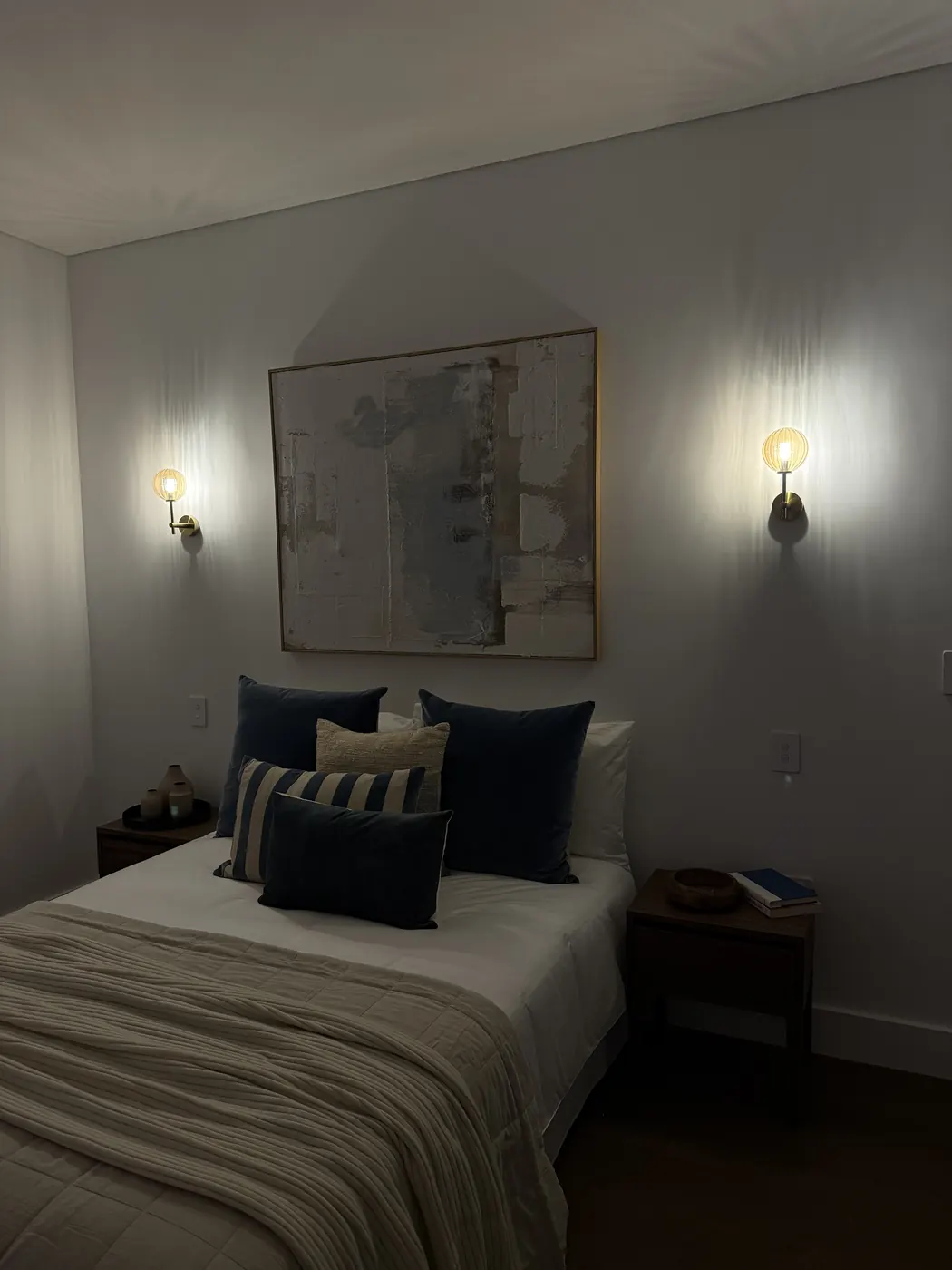
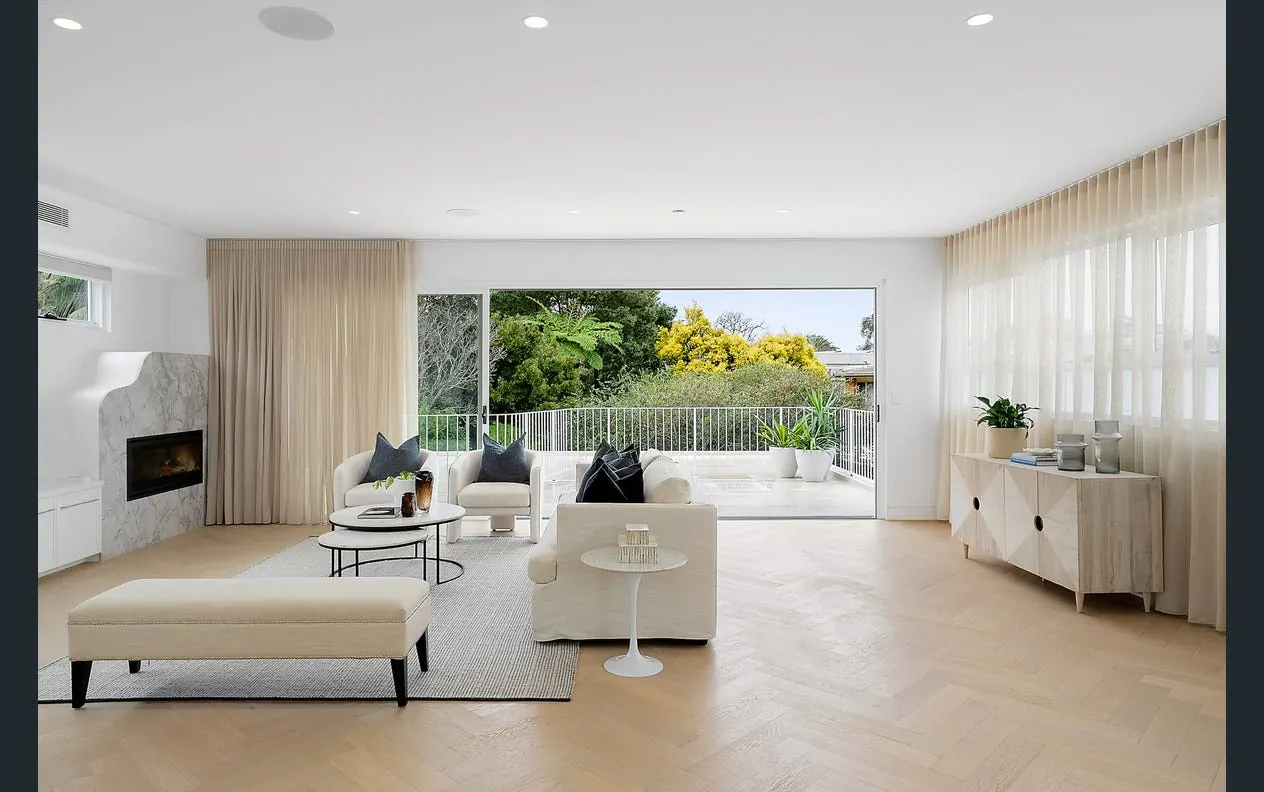
Lighting we’ve installed
Got a lighting job in mind?
Tell us how many lights and where. Or call 0411 498 916.